Seyi Makinde has now set out a political proposition that is becoming central to his 2027 presidential campaign: four years, one term, a transitional government of national unity, and cooperation across political divides.
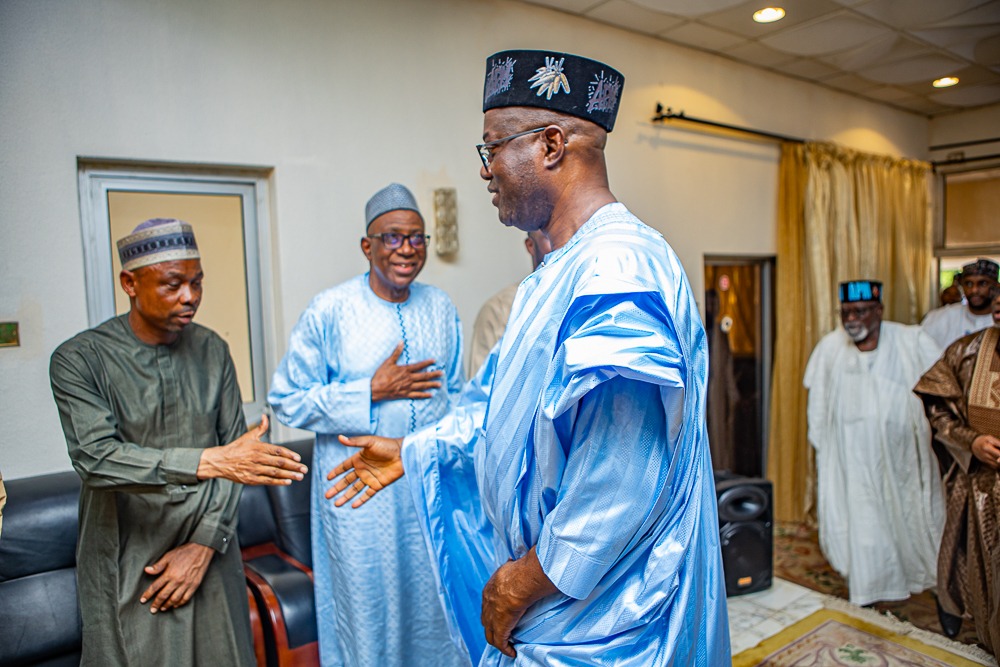
At the APM North-East Town Hall in Yola on 10 October 2026, Governor Makinde said that if elected President, his administration would not last beyond four years and would be an all-inclusive transitional government of national unity.
The proposition raises an obvious question:
Can Nigeria really be reset in four years?
Seyi Makinde says yes.
He had made the same argument earlier at the North-Central Town Hall in Lafia, where he said the Reset Agenda could be completed within one presidential term, covering security, education, the economy and Nigeria’s socio-political structure.
Four Years. One Term.
Makinde’s position is straightforward: he is not asking Nigerians for eight years.
In Yola, he said:
“Our government will not last beyond four years.”
His argument is that a properly planned institutional reset does not need to wait until a second term.
The significance of that commitment goes beyond tenure.
Makinde is presenting the next administration not as the beginning of another long political cycle, but as a transition period within which key institutions, systems and relationships can be reset before a new generation of political actors takes over.
At the Lafia Town Hall meeting, he described the proposed administration as one that would “culminate in new players and a new agenda for Nigeria’s sustainable development”.
But the four-year pledge is only one part of the political path he is proposing.
A Transitional Government of National Unity
The second part of the proposition is inclusion.
Makinde says the government he intends to lead from 29 May 2027 would be a transitional government of national unity.
At the Yola Town Hall meeting, he said the administration would be all-inclusive and would seek to ensure that no section of the country dominates the system to the exclusion of others.
That matters because the Reset Agenda is being presented not simply as a change of government, but as an attempt to rebuild confidence across Nigeria’s political and regional divides.
The proposal is therefore not only about what policies a new administration would pursue.
It is also about who participates in the work of rebuilding the country.
Opposition Cooperation
The third part of the political path is cooperation across the opposition.
This is not happening in a vacuum.
Ahead of the 2027 election, several opposition parties and political groups have been discussing frameworks for greater cooperation. In August, a coalition involving the ADC, APM, NDC, PDP, PRP and SDP proposed a four-year transition arrangement built around competence, integrity, national inclusion and fair representation.
Makinde’s own political proposition sits within that wider conversation.
For him, opposition cooperation is not simply about combining electoral numbers. It is tied to the broader idea that the country’s political reset will require people who do not currently belong to the same political tendency to work together.
But Makinde has made clear that he is prepared to participate in that process and to make the political compromises required to pursue a broader Reset coalition.
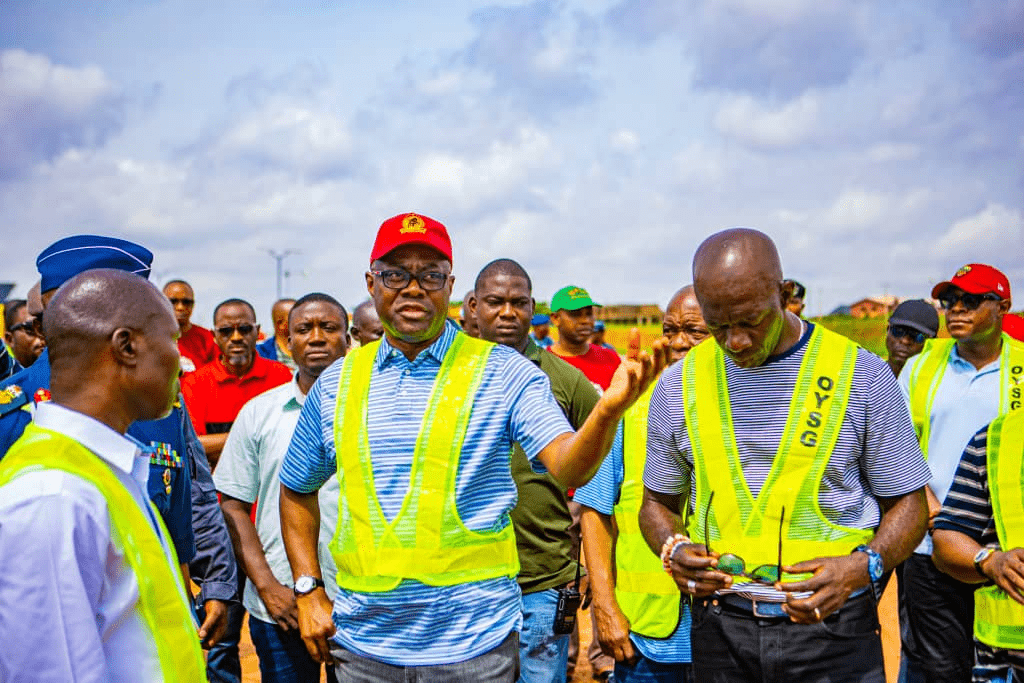
Why Four Years?
The one-term proposition also addresses a wider political concern.
Makinde has argued that a four-year transitional arrangement would allow the next administration to concentrate on institutional reform without turning immediately towards the politics of securing another term.
He has linked that period to four broad areas of the Reset Agenda:
- Economy
- Security
- Education
- Nigeria’s socio-political structure
At the Lafia Town Hall meeting, he said the economic reset would be driven by “data, science and logic”, while the security reset would involve a new security architecture.
The manifesto is expected to provide the detailed policies, timelines and measurements behind those commitments.
That distinction matters.
A four-year political commitment is not, by itself, evidence that the promised reforms can be delivered within that period.
It is a proposition.
The next question is whether the candidate’s record supports the case he is making.
Makinde is asking Nigerians to consider an unusual political arrangement:
- one presidential term,
- a transitional government of national unity,
- and political cooperation across existing divides.
Those commitments can be stated clearly.
They can also be tested.
Has he previously delivered major reforms within defined timelines?
Has he demonstrated an ability to work across political divides?
Has he built institutions that can continue functioning beyond one individual?
Has he shown that a government can make measurable commitments and report against them?
Those are the questions that should come next.
Because if the proposition is that four years is enough to reset Nigeria, then the record matters.
And that record should be examined.